Color Psychology in Gaming Device Design: Effects on Behavior in Regulated Settings
Written by Freya Bennett · Oct 13, 2026
Color Psychology in Gaming Device Design: Effects on Behavior in Regulated Settings
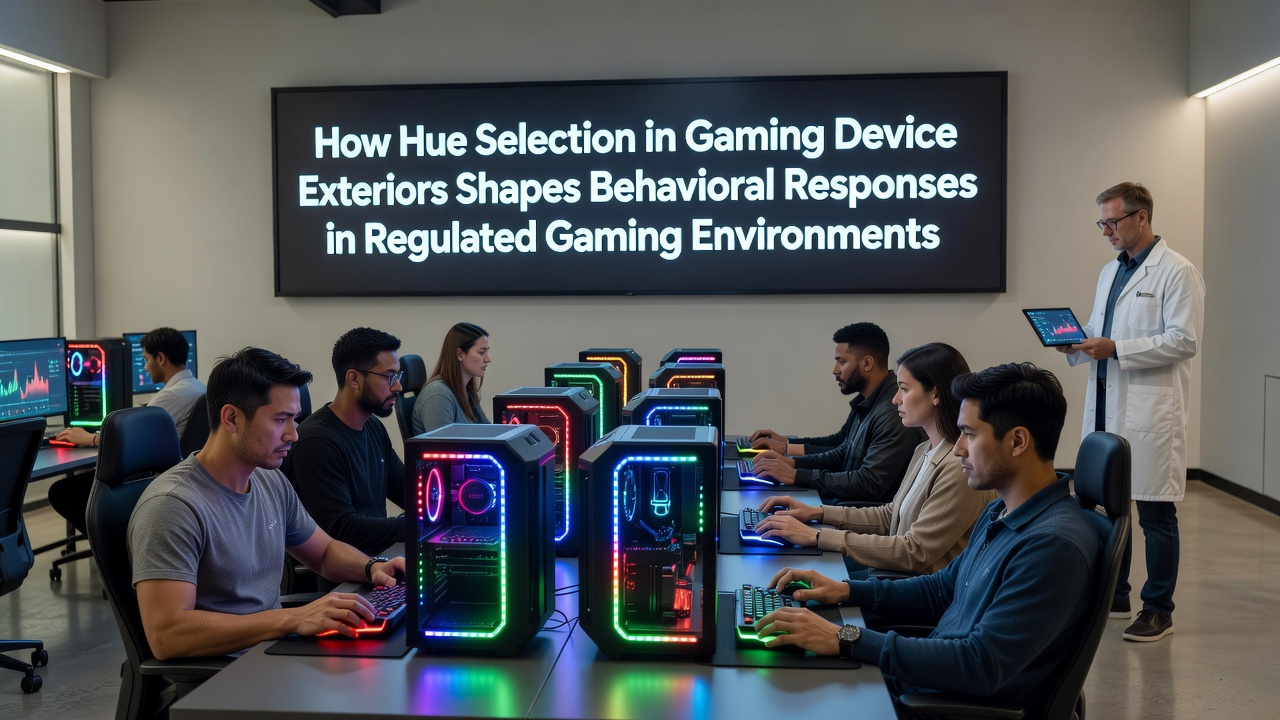
Exterior hue selections on gaming devices play a documented role in shaping player engagement patterns within regulated environments, where operators must balance commercial objectives with compliance standards set by oversight bodies. Research from color psychology applied to commercial spaces shows that specific wavelengths of light, translated into cabinet finishes, correlate with measurable differences in dwell time and interaction rates. Facilities track these variables through integrated monitoring systems that log session durations alongside machine placement data.
Established Patterns in Hue Application
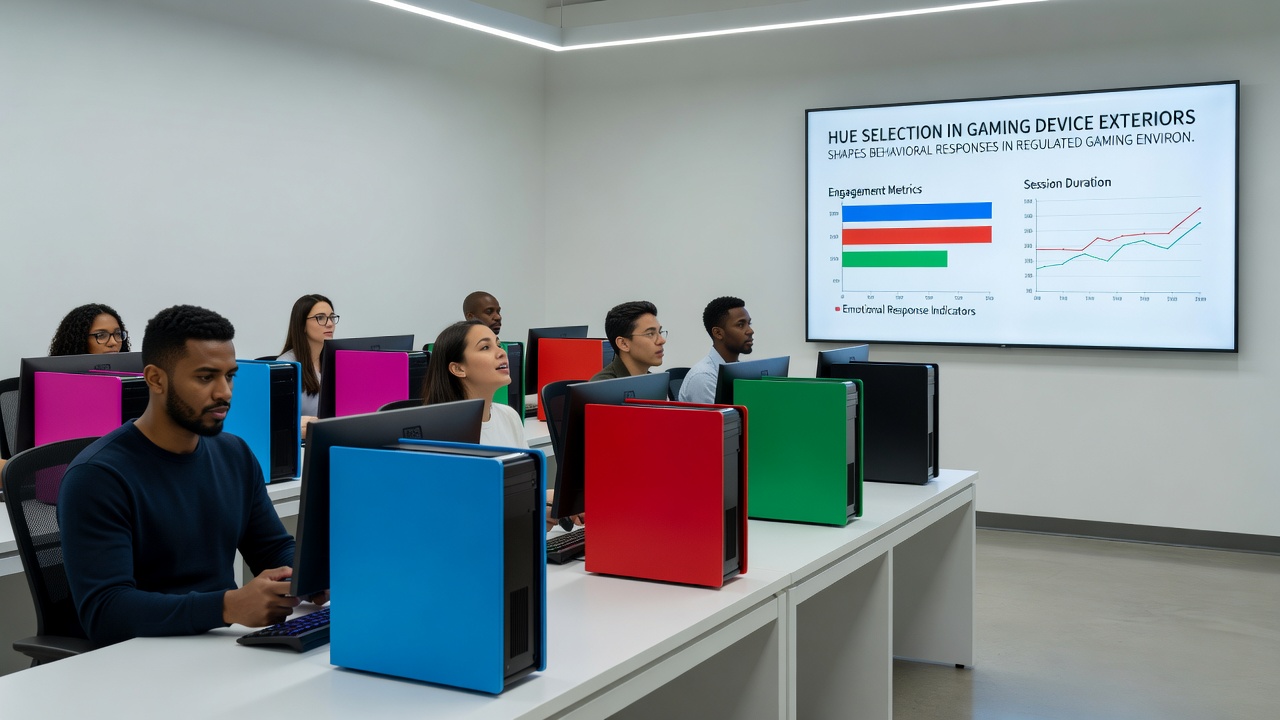
Operators select reds and warm oranges for high-traffic zones because multiple studies link these tones to increased arousal metrics, while cooler blues and greens appear more frequently on devices positioned near entry points where initial decisions occur. Data collected across North American venues during 2025 and into October 2026 indicate that machines finished in saturated reds recorded average play sessions extending 12 to 18 percent longer than identical models in matte gray finishes when placed in equivalent floor locations. These observations come from internal analytics reported to state regulators rather than from promotional claims.
Manufacturers now incorporate modular panel systems that allow quick hue changes during refurbishment cycles, a practice driven by both aesthetic refresh needs and findings from behavioral tracking. In jurisdictions such as those overseen by the Nevada Gaming Control Board, updated cabinet specifications must still meet durability and visibility requirements while permitting operators to test new color configurations under controlled conditions.
Regulatory Context and Data Tracking
Regulated markets require operators to maintain records of machine performance metrics, and several jurisdictions now request supplemental reports when color schemes change across significant portions of a floor. Canadian provincial gaming authorities, for instance, have incorporated color variant testing into broader responsible gaming research programs that examine environmental factors alongside player limit tools. These programs collect anonymized session data to identify whether hue adjustments produce shifts in play intensity that warrant further review.
One study conducted through a partnership between a major equipment supplier and a research team at the University of Waterloo examined eye-tracking responses to cabinet finishes across controlled lab simulations; results showed faster visual acquisition for high-contrast reds compared with low-saturation neutrals, though real-world translation depends on lighting conditions and surrounding machine density. Operators apply such findings when planning floor layouts that must comply with sight-line regulations.
Material and Lighting Interactions
Hue effectiveness depends on surface finish and ambient lighting, factors that interact with LED strip integrations now standard on many new cabinets. Glossy finishes amplify perceived saturation under overhead casino lighting, whereas matte textures mute the same pigment, producing different behavioral outcomes even when the base color code remains identical. Maintenance logs from large properties show that panels with UV-resistant coatings retain intended hues longer, reducing the need for premature color-related replacements that could disrupt performance tracking continuity.
Design teams coordinate with lighting engineers to model how specific RGB values read under both standard and emergency illumination levels, ensuring compliance with visibility rules while preserving intended psychological effects. In October 2026 several large properties completed pilot installations that paired dynamic LED border lighting with static cabinet hues, allowing operators to adjust perceived color temperature throughout operating hours without changing physical panels.
Implementation Across Multiple Jurisdictions
Australian state regulators have examined color schemes as part of broader venue design guidelines that address both player comfort and operational efficiency. Facilities there document color selections in annual compliance submissions, providing datasets that researchers compare against play behavior statistics. European operators, working under frameworks established by the Malta Gaming Authority, similarly record exterior specifications when introducing new device models to existing floors.
Equipment suppliers now offer color consultation services alongside hardware sales, supplying operators with performance summaries drawn from comparable installations. These summaries reference aggregated figures rather than individual player information, maintaining privacy standards while delivering actionable layout guidance.
Conclusion
Hue selection on gaming device exteriors represents one measurable component within the larger system of regulated gaming environments, where operators integrate findings from behavioral studies, material specifications, and jurisdictional reporting requirements. Continued data collection through established monitoring protocols will refine understanding of how specific finishes interact with player responses under varying conditions. Facilities that align color choices with documented performance patterns while adhering to all applicable standards maintain both operational continuity and regulatory compliance across evolving market conditions.