Mobile Gaming Setups: Addressing Logistics for Pop-Up Casino Events and Temporary Venues
Written by Avery Butler · Sep 29, 2026
Mobile Gaming Setups: Addressing Logistics for Pop-Up Casino Events and Temporary Venues
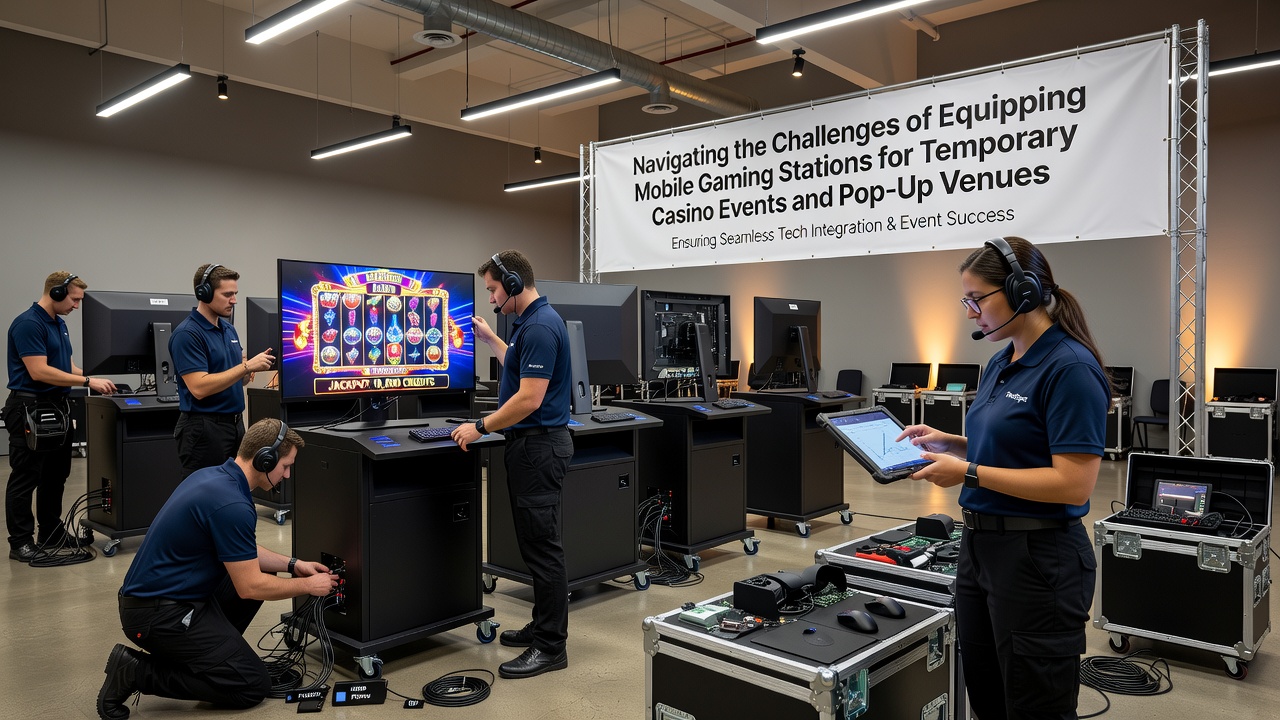
Pop-up casino events rely on mobile gaming stations that move between locations, and operators face distinct hurdles when sourcing and deploying equipment for short-term use. Data from industry reports indicates that these setups must balance portability with the durability standards required for regulated gaming environments, while compliance with local rules adds layers of planning that permanent venues rarely encounter.
Transportation and Storage Demands
Equipment for temporary events travels frequently, so manufacturers design stations with modular components that disassemble quickly yet retain precision alignments needed for games like roulette and blackjack. Observers note that weight distribution becomes critical during transit because uneven loads can damage sensitive mechanisms such as wheel axles or sensor arrays, and studies on logistics patterns show that specialized crates and climate-controlled transport reduce failure rates during cross-country moves. In September 2026 several regional events scheduled across multiple states will test these systems under tight timelines, highlighting how storage solutions must protect against humidity and vibration when stations sit idle between bookings.
Regulatory Compliance Across Jurisdictions
Each pop-up location brings its own licensing requirements, and operators coordinate with bodies like the National Indian Gaming Commission to verify that mobile units meet certification standards before deployment. Research indicates that electronic components in gaming stations often need re-inspection when crossing state lines, since software updates or hardware modifications can trigger fresh approvals, and figures from regulatory filings reveal that delays in this process account for a significant portion of setup postponements. Those who manage these events often map out permit timelines months in advance to avoid conflicts with local ordinances that restrict gaming equipment movement.
Power and Connectivity Challenges
Temporary venues frequently lack permanent infrastructure, so mobile stations incorporate backup generators and wireless systems that maintain uninterrupted play during outages. Experts have observed that integrating these power solutions requires careful calibration because fluctuations can interfere with random number generators and tracking software, while case studies from recent deployments demonstrate that redundant cabling prevents downtime at outdoor or festival-style sites. Data shows that connectivity demands grow when events incorporate live streaming elements, pushing teams to test bandwidth thresholds well before opening day.
Security and Inventory Management
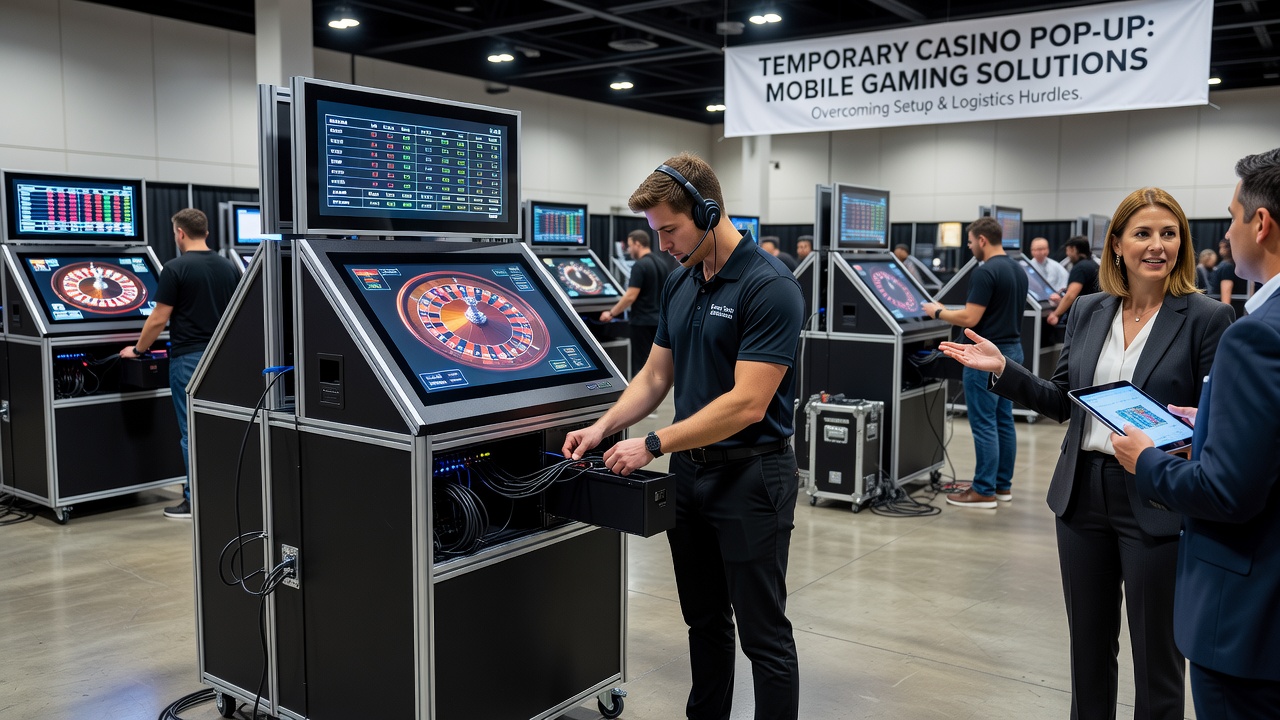
Protecting high-value components during off-site storage and rapid assembly calls for layered protocols that include GPS tracking on transport vehicles and on-site surveillance that adapts to non-traditional layouts. According to reports from the European Gaming and Betting Association, theft and tampering risks rise at pop-up locations because perimeter controls differ from fixed casinos, and inventory systems must log every chip, card, and peripheral in real time to satisfy audit trails. Teams often deploy RFID-tagged assets that update central databases automatically, reducing manual counts while preserving chain-of-custody records required by oversight agencies.
Customization for Varied Event Formats
Event organizers request stations that scale from intimate private gatherings to larger festival installations, and suppliers respond with configurable tables and terminals that accept interchangeable tops for different games. Research from academic logistics papers highlights that this flexibility demands standardized interfaces so that dealers and technicians can switch configurations without specialized tools, and operators report that pre-event walkthroughs help identify space constraints that affect station placement. Such adaptability proves essential when venues impose last-minute layout changes due to weather or attendance shifts.
Conclusion
Equipping mobile gaming stations for temporary and pop-up venues requires coordinated efforts across transportation, regulation, power infrastructure, security, and customization, with each element influencing the next during planning cycles. Industry data continues to track how these factors evolve as events expand into new regions, and operators who align equipment choices with jurisdictional timelines maintain smoother operations across successive deployments.