Regulatory Shifts Influencing Slot Cabinet Designs in Emerging Markets
Written by Drew Butler · Sep 15, 2026
Regulatory Shifts Influencing Slot Cabinet Designs in Emerging Markets
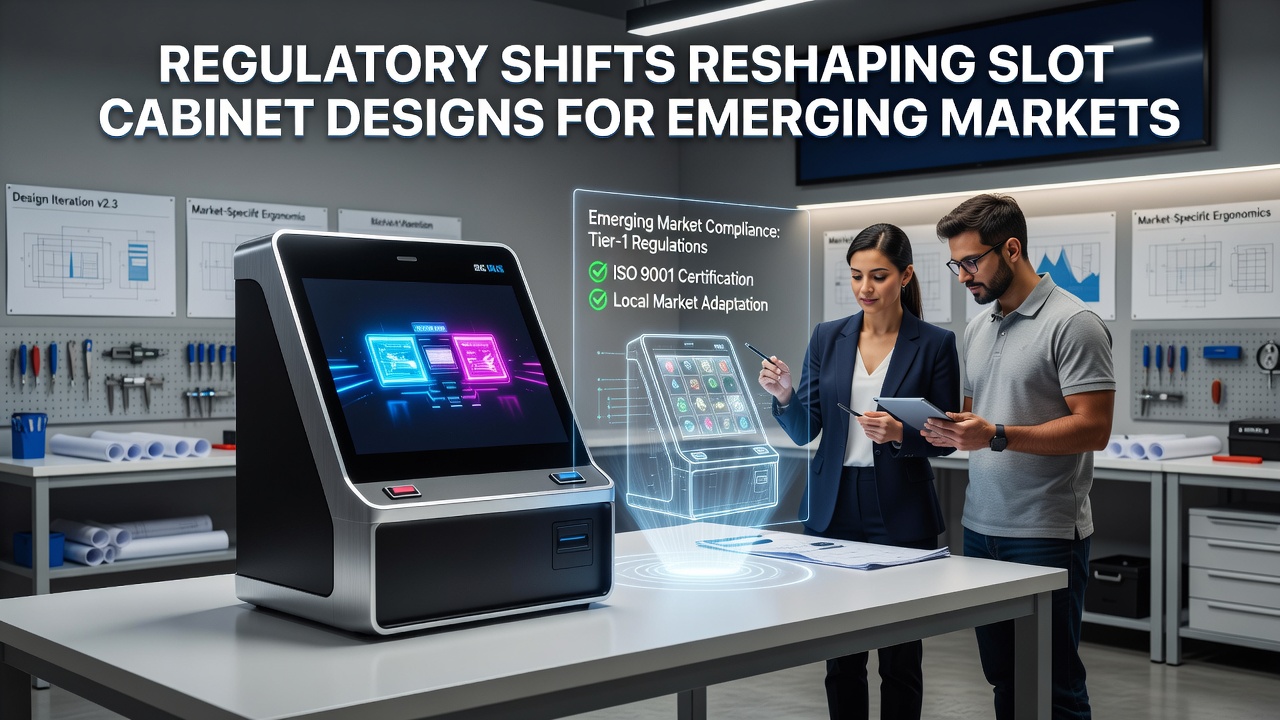
Regulatory bodies in developing regions continue to update compliance requirements that directly affect how manufacturers construct slot machine cabinets, with changes focused on security integration, energy standards, and accessibility mandates. These updates often require reinforced locking mechanisms alongside embedded tracking systems that log player activity and machine performance in real time. Data from multiple jurisdictions shows that cabinets must now incorporate modular panels allowing quick inspection without full disassembly, a shift driven by anti-money laundering protocols that took hold after 2024.
Security and Monitoring Requirements
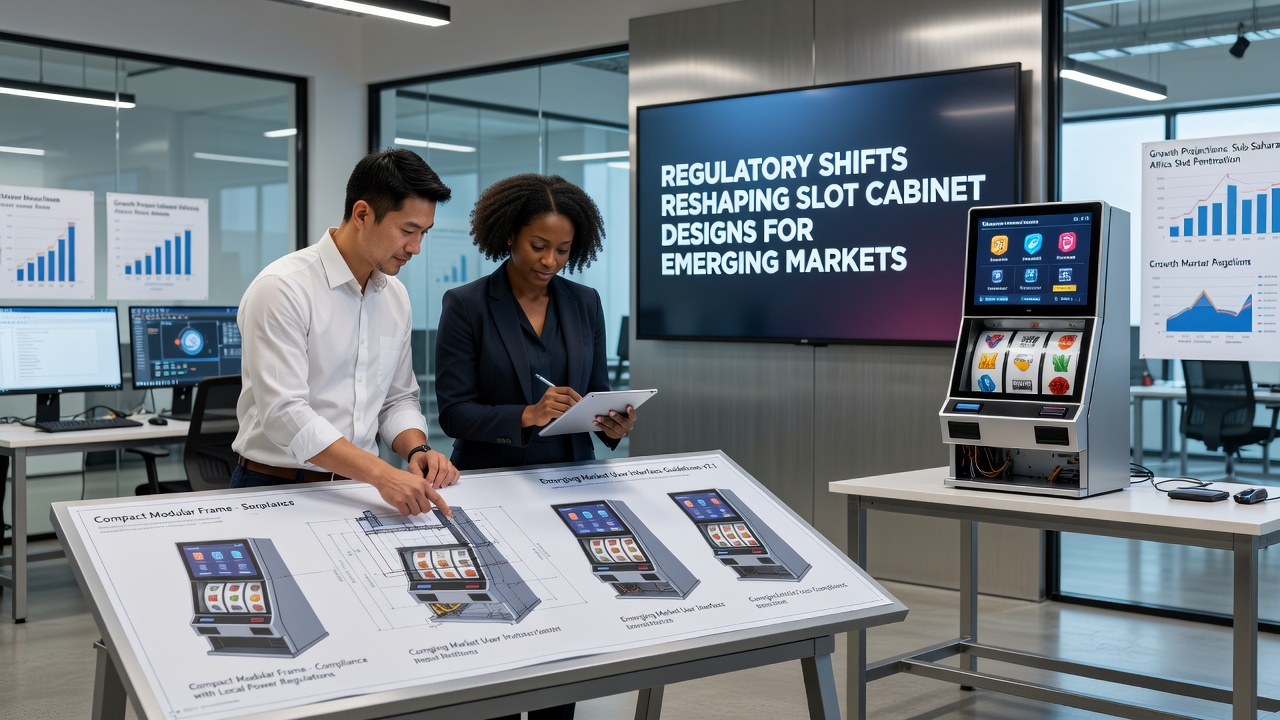
Emerging markets across Southeast Asia and parts of Africa have introduced rules demanding biometric access controls on cabinet doors, while Latin American regulators emphasize tamper-evident seals combined with digital logging. Manufacturers respond by redesigning internal frames to accommodate these additions without expanding overall footprints, since floor space in many new venues remains limited. Observers note that cabinets now frequently feature reinforced steel cores paired with composite outer shells, allowing weight reduction while meeting impact resistance thresholds set by local gaming authorities.
Energy Efficiency and Sustainability Standards
Energy consumption caps introduced in several jurisdictions have prompted shifts toward LED lighting arrays and low-power processors housed within redesigned ventilation systems. Cabinets in markets such as Vietnam and Nigeria now integrate power monitoring chips that transmit usage data directly to regulatory servers, satisfying reporting obligations effective through September 2026. Research indicates these modifications reduce average draw by up to 35 percent compared with earlier models, aligning with broader governmental targets for commercial equipment efficiency.
Accessibility and Cultural Adaptations
Rules governing player accessibility have led to lower button panels and adjustable screen heights in cabinets destined for venues serving diverse populations. In regions where cultural preferences influence machine placement, manufacturers have begun offering configurable side panels that accommodate local artwork or language displays without custom fabrication delays. One study from an academic research group tracking equipment exports revealed that adaptable cabinet chassis now represent over 60 percent of orders from emerging market buyers, reflecting the need to meet both regulatory and market-specific demands simultaneously.
Supply chain adjustments follow these regulatory patterns, with component suppliers in Europe and North America certifying parts against multiple overlapping standards to streamline exports. Slot cabinet producers increasingly source from facilities holding ISO certifications that satisfy both environmental and security audits required by destination countries.
Case Examples Across Regions
Philippine operators working under PAGCOR guidelines have adopted cabinets with integrated cashless payment modules that comply with transaction monitoring rules, while Brazilian state-level frameworks require additional firewall hardware within the cabinet housing to protect against unauthorized network access. Philippine Amusement and Gaming Corporation regulations illustrate how these hardware additions became mandatory for new installations after mid-2025. Similar patterns appear in South African venues where the National Gambling Board enforces cabinet designs that support remote shutdown capabilities during compliance checks.
Manufacturers document these changes through updated technical specifications that detail wiring routes for surveillance cameras and reinforced mounting points for biometric readers. Trade data shows export volumes of compliant cabinets to emerging markets rose 22 percent year-over-year through the first half of 2026, driven largely by venue expansions in Southeast Asia and sub-Saharan Africa.
Manufacturing and Certification Processes
Certification timelines have lengthened as testing labs in multiple countries evaluate cabinets against combined mechanical, electrical, and software criteria. Producers now conduct parallel testing sequences, submitting prototypes simultaneously to regulators in target markets rather than sequential reviews. This approach shortens lead times, although it requires upfront investment in multi-standard engineering documentation.
Industry reports from gaming equipment associations highlight that modular internal layouts allow easier retrofits when new rules emerge, reducing the need for complete cabinet replacements. Such flexibility proves valuable in markets where regulatory updates occur frequently as governments refine oversight frameworks.
Conclusion
Regulatory developments continue to shape slot cabinet specifications across emerging markets, requiring ongoing collaboration between manufacturers, suppliers, and oversight bodies. These adjustments ensure equipment meets security, efficiency, and accessibility benchmarks while supporting the growth of regulated gaming operations in developing regions. Ongoing certification efforts and design innovations reflect the sustained influence of compliance requirements on equipment evolution through 2026 and beyond.